Shorebases as Key Enablers of Indonesia’s Industrial Operations
For industries such as oil and gas, smooth operational activities rely heavily on reliable and integrated logistics support. Various materials, equipment, and operational requirements need to be properly managed and mobilized on time to ensure that activities at the worksite can run efficiently.
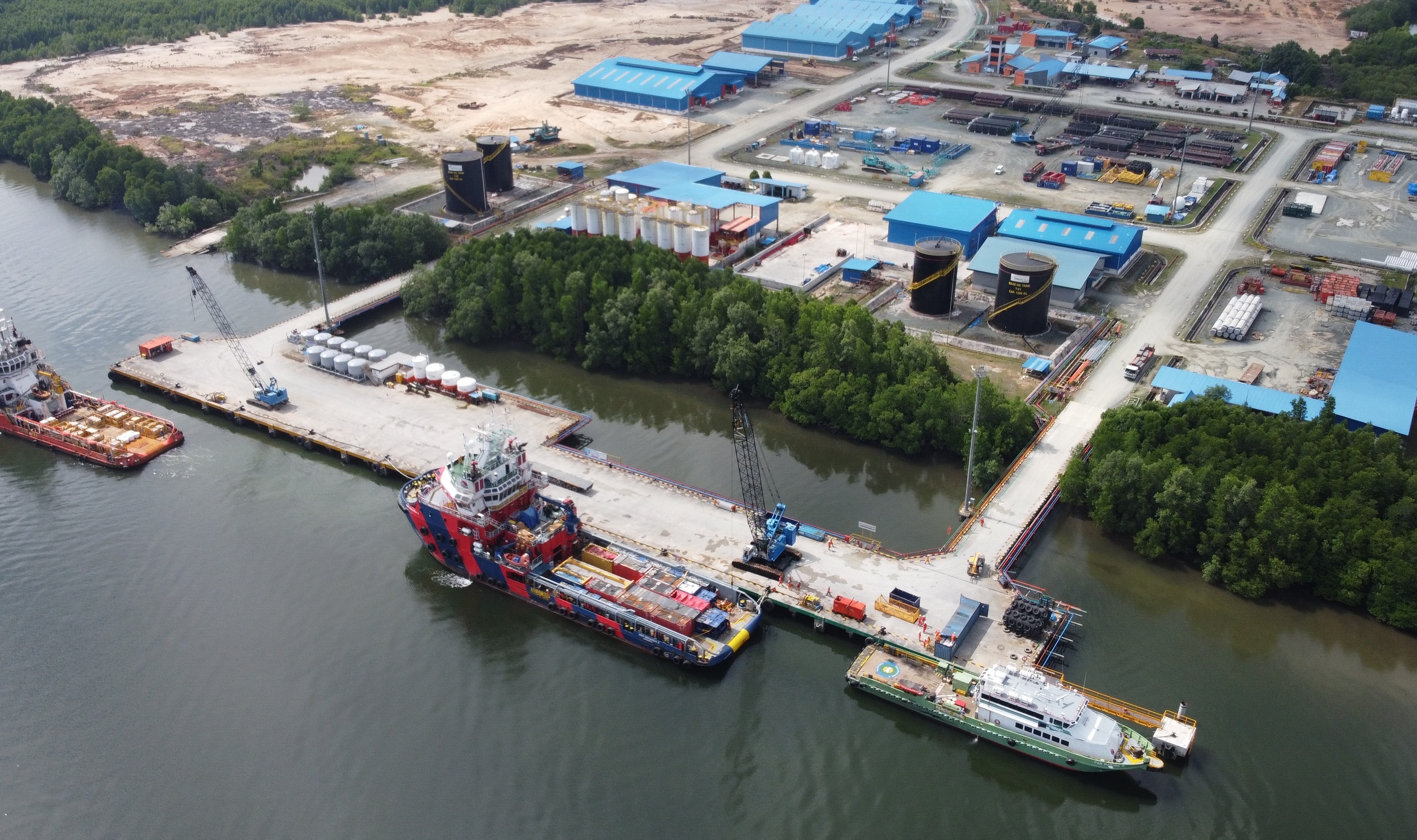
Amid these needs, shorebase serves as an important part of the supply chain and logistics network supporting the oil and gas industry, helping companies improve the efficiency of their mobilization activities. Simply put, a shorebase is a land-based logistics support facility connected to operational activities in offshore waters and at offshore worksites. A shorebase generally comprises a jetty or port facility, laydown areas, warehouses, storage areas, and other supporting facilities used to receive, store, prepare, and mobilize various operational requirements.
Several shorebases currently operating in Indonesia are located across different regions, including Lamongan, Sampang, Penajam, Batam, and Lhokseumawe. Some of these facilities have been operating for many years and have extensive experience in supporting various oil and gas activities, from exploration and drilling to production. Beyond serving as storage facilities, shorebases also support a range of activities, including berthing, cargo handling, and the mobilization of materials and equipment to operational sites.
Getting to Know Shorebases and Their Role in the Oil and Gas Industry
The role of shorebases becomes increasingly important for oil and gas activities conducted in offshore areas. Various stages of operations, from exploration and drilling to field development and production, require logistics support with different characteristics and requirements. Certain equipment also has long procurement lead times, making careful supply chain planning essential.
During exploration and drilling, for example, logistics requirements may include drilling equipment, supporting materials, and various supplies needed throughout the operation. During the production stage, these requirements may shift toward the routine delivery of materials, equipment, and other operational supplies to support activities in the field.
This makes a shorebase more than just a supporting facility. It also serves as a key logistics management point within the broader offshore oil and gas operation. The facility helps accommodate different logistics requirements at each stage of the operation, depending on the type of work and the characteristics of the locations being served.
Understanding the Role of Shorebases in Indonesia
One of the shorebases operating in Indonesia is Eastkal Shorebase, located in Balikpapan Bay, East Kalimantan. PT Pelabuhan Penajam Banua Taka (Eastkal) provides integrated port services operating 24 hours a day, covering berthing, cargo handling, storage, and other supporting services. These services support various port activities related to the movement and handling of operational requirements.
Cargo used in oil and gas activities can vary significantly in size, weight, dimensions, and complexity. These characteristics make operational and safety considerations critical throughout the handling process, including the readiness of equipment and the competence of personnel involved. At Eastkal, its experience in handling cargo such as Christmas Trees (X-Trees) and risers illustrates these requirements, with operations supported by equipment and personnel certified for oil and gas activities.
The need for proper cargo handling is also accompanied by the implementation of appropriate operational standards. Quality, environmental management, occupational health and safety, and facility security are key considerations at Eastkal, supported by the implementation of ISO 9001, ISO 14001, ISO 45001, and the ISPS Code.
In addition to these standards, Eastkal's operations are supported by various licenses and permits covering port activities, logistics, environmental management, and operational support facilities. These include a Port Business Entity (BUP) license, Bonded Logistics Center (PLB) license, Liquid Mud Plant (LMP) Operating Permit, Environmental Feasibility approval, and permits related to the management of hazardous and toxic waste (B3).
The range of licenses and permits reflects that shorebase management involves more than facility readiness. It also requires compliance with various regulatory requirements that support safe, reliable, and sustainable operations.
“In oil and gas activities, shorebases play an important role in the supply chain and also influence the smoothness of field operations. Therefore, it is important to look beyond the facilities and services provided and also consider how all activities are managed safely, properly, and in compliance with applicable permits and standards,” said Fatoni Tahar Hidayat, Chief of Operations, Eastkal.
Managing a shorebase requires comprehensive operational readiness. In addition to ensuring the availability of facilities and services, operational execution, safety, and compliance with applicable permits and standards are essential to maintaining optimal performance.
These requirements demonstrate how shorebases form an integral part of the logistics chain supporting oil and gas activities. From exploration through production, each stage has different logistics requirements, while the shorebase serves as one of the key points connecting onshore logistics needs with offshore operations.

Comment (0)