Use wisely and recognize the function of road shoulders on toll roads
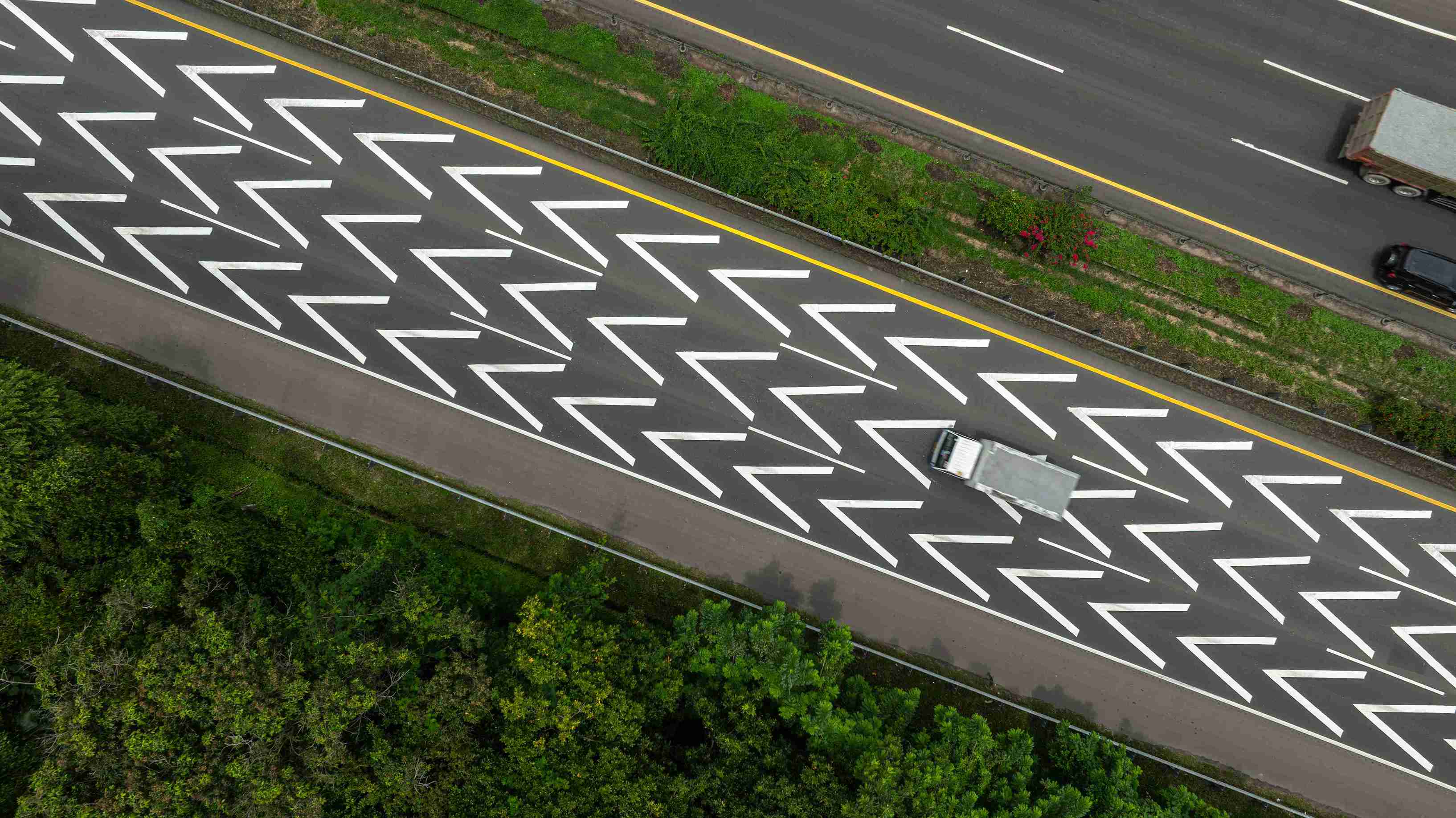
Driving on toll roads is often disrupted by road users who misuse the road shoulder. This ranges from overtaking other vehicles to resting outside their vehicles. However, the use of the road shoulder is regulated in Government Regulation Number 23 of 2024, Article 69 paragraph (2), which explains that the road shoulder:
is used for traffic flow in emergency situations,
is intended for vehicles making an emergency stop,
is not used for towing/pushing vehicles,
is not used for picking up or dropping off passengers, goods, and/or animals,
is not used for overtaking vehicles.
The appendix to the regulation further explains that the definition of "emergency stopped vehicle" is a vehicle that has stopped temporarily due to emergency conditions such as a vehicle breakdown, load control, traffic disruption, or driver physical impairment.
The road shoulder should not be used as a resting area due to its high risk. This is because vehicles on toll roads can travel at a minimum speed of 60 km/h. Furthermore, driving on the road shoulder at high speeds often disrupts other road users and increases the risk of accidents due to the limited width of the road shoulder. Inappropriate use of the road shoulder can also increase traffic congestion, hinder travel, and disrupt access for emergency vehicles such as patrol vehicles, tow trucks, rescue vehicles, and ambulances.
Astra Infra urges all road users to use the road shoulder wisely and always prioritize safety while driving. If you are forced to stop on the road shoulder, you are advised to:
Turn on your hazard lights,
Place a safety triangle 10–15 meters from your vehicle,
Contact toll road officials or emergency services for assistance,
Remain in your vehicle until assistance arrives when conditions permit,
Be alert and monitor the traffic flow behind you before pulling over to avoid zigzagging or overspeeding.

Comment (0)